ASC 740 Income Tax Accounting
Annual and quarterly income tax provisions, valuation allowance analysis, uncertain tax positions, business combination tax accounting, and Pillar Two compliance, delivered by a Senior Tax Partner with 20+ years of corporate and international tax experience.
No commitment. 30 minutes. Specific advice you can act on.
Highly rated on GoogleMost private companies don't think about ASC 740 until their auditor asks for it. Then the timeline compresses, the complexity surfaces, and there's no good answer for how a current tax provision, a deferred tax roll-forward, and a valuation allowance memo get built on short notice. The work requires knowing both GAAP and tax law at the same time, which is a narrower skill set than it sounds.
ASC 740 governs how companies recognize and measure income taxes under GAAP. For a private company, the trigger is usually a first audit, an upcoming financing, a sale process, or a multinational structure that requires consolidated financial statements. In each case, the provision has to be defensible: auditors will test the deferred tax asset and liability schedules, the effective tax rate reconciliation, and, if applicable, the valuation allowance and uncertain tax position inventory.
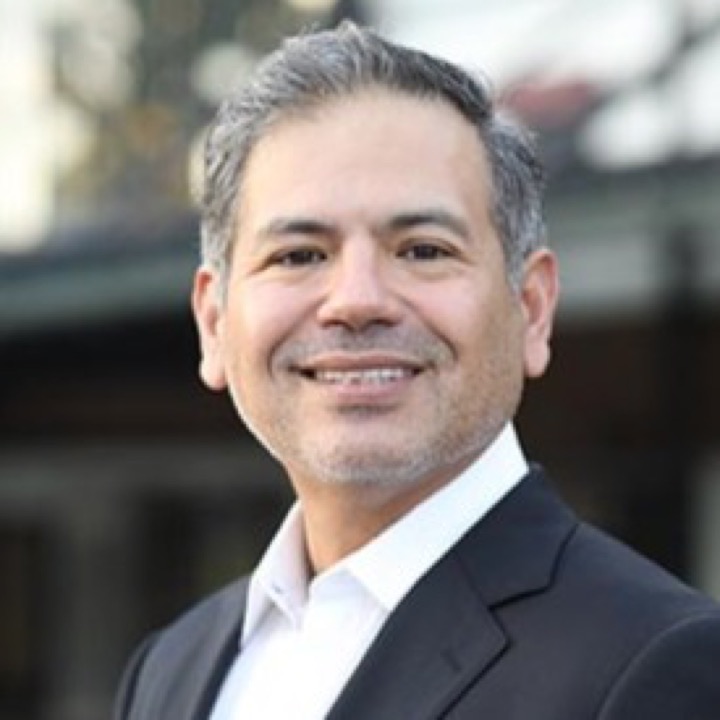
Silicon Valley Tax now offers a dedicated ASC 740 practice, led by Al Nuñez. Al brings 20+ years of corporate and international tax experience to every engagement, including work on M&A tax provisions, cross-border structures, and IRS controversy. This practice sits alongside the firm's existing tax compliance work, so the tax picture stays unified from the return through to the provision.
What We Cover
The core provision work: computing current and deferred tax expense, maintaining the deferred tax asset and liability schedules, and delivering the footnote disclosures your auditor needs. Built from your trial balance and tax return, not from a template that doesn't fit your facts.

The two areas where private company provisions most often get pushed back during audit fieldwork. Both require documented analysis, not just a number. We build the workpaper, not just the conclusion.

The provision work that doesn't fit a standard template: acquisitions, cross-border structures, and the wave of new international and alternative minimum tax regimes that took effect in recent years. Each one changes the deferred tax calculus in ways that matter.

Who Leads This Practice
Alfonso Nuñez, CPA, JD
Senior Tax Partner, Silicon Valley Tax
JD, William S. Boyd School of Law, University of Nevada Las Vegas. CPA. 20+ years corporate and international tax, including Managing Director at Andersen Tax San Francisco and Partner at RSM US LLP.
"Private companies deserve the same rigor in their tax provisions that public companies get. The accounting is the same, the audit scrutiny is increasing, and the cost of getting it wrong in a sale process or financing is real. That's the work we're here to do."
Al holds a JD from the William S. Boyd School of Law at the University of Nevada Las Vegas and a CPA license, which means he reads the tax code the way both a lawyer and an accountant would. That combination matters in ASC 740 work, where the accounting treatment depends on understanding the underlying tax law position, not just the number.
Al has spent his career in the corporate and international tax practices of nationally recognized firms, most recently as Managing Director at Andersen Tax in San Francisco and previously as a Partner at RSM US LLP. That background means he has worked through provision cycles across industries, jurisdictions, and complexity levels that most tax professionals don't encounter.
Al joined Silicon Valley Tax to build a corporate tax and ASC 740 practice that serves private companies the way institutional-caliber work should be delivered: one engagement letter, one accountable firm, and the provision integrated with the underlying compliance work. For clients who need both tax returns and financial statement provisions, keeping those under the same roof eliminates the coordination gaps that create errors.
When to Engage
Your CPA is telling you the financial statements need a tax provision. You've never built one. The auditor will ask for a deferred tax schedule, a rate reconciliation, and possibly a valuation allowance memo. This is exactly the work we scope and deliver.
The S-1 requires audited financial statements with full ASC 740 provisions for three years. If your historical provisions were thin or undocumented, rebuilding them under SEC-level scrutiny is a significant project. Starting early with the right firm matters.
Tax provisions are in scope on both sides of most M&A transactions. Sell-side: the buyer will review your deferred tax schedules and UTP inventory. Buy-side: you need opening-balance-sheet provisioning and an IRC §382 analysis on any acquired NOLs. We do both.
The OECD Pillar Two global minimum tax, the US GILTI regime, and BEAT each interact with your provision in ways that a standard domestic-only template doesn't capture. If you have foreign subsidiaries or intercompany transactions, the provision has to reflect that reality.
Large deferred tax assets, startup losses, or significant R&D credits that you haven't been able to use put a valuation allowance question on the table. Whether you need one, and how to document the evidence for that conclusion, is where provision work gets auditor-intensive.
A transfer pricing structure, an aggressive research credit claim, a nexus position, or a treaty benefit that you're not certain will survive examination needs to be inventoried, measured under FIN 48, and disclosed properly. Leaving it undocumented is a bigger risk than addressing it.
How It Works
Al reviews your trial balance, the inventory of book-to-tax differences you know about, your jurisdiction footprint, and the timeline the auditor or transaction is driving. That conversation determines what the provision work actually involves and what it will cost.
One engagement letter, one firm accountable for the work. The scope specifies exactly what the provision package will include: current and deferred computation, which schedules, which disclosures, and whether valuation allowance or UTP work is in scope. Fixed fee, scoped to your provision complexity.
We build the tax-basis balance sheet, map temporary differences by category, compute the current and deferred tax expense, prepare the rate reconciliation, and produce the valuation allowance memo and UTP inventory if applicable. You see the workpapers, not just the conclusions.
We deliver the income tax footnote in the format your auditor or financial statement preparer needs. If the audit includes tax provision review, Al defends the provision directly during fieldwork. The work is ours to stand behind, not something we hand off and walk away from.
Schedule a free 30-minute scoping call with Al Nuñez at Silicon Valley Tax. We'll review your trial balance, your timeline, and your jurisdiction footprint, then tell you exactly what the provision work involves and what it will cost.
Fixed-fee engagements scoped to provision complexity. No hourly surprises.
Get a free 30-minute consultation with our team. We'll review your situation and give you specific, actionable advice. No obligation.
Schedule a Free ConsultationOr call us directly: (408) 383-9870